Beyond Distraction: How My Phone Became a Tool for Calm, Focused Days
We’ve all been there—reaching for our phones the moment we wake up, only to lose an hour to endless scrolling. I used to feel guilty about my screen time, thinking I just lacked discipline. But what if the problem isn’t us, but how we’re using our phones? Over time, I discovered small, intentional changes that transformed my device from a source of chaos into a quiet force for clarity and calm. It wasn’t about deleting apps or going digital detox—it was about reimagining my phone as a helper, not a hijacker. And once I did, my days felt lighter, my focus sharper, and my peace more within reach.
The Myth of the “Bad Phone Habit”
For years, I believed I had a self-control problem. Every time I caught myself mindlessly tapping through social media while my coffee got cold, I’d sigh and think, Why can’t I just stop? I’d promise myself I’d do better the next day—fewer notifications, less scrolling, more presence. But the cycle always returned. The truth is, I wasn’t failing. My phone was working exactly as it was designed to—pulling me in, keeping me engaged, and making it hard to look away. And I wasn’t alone. So many of us carry this quiet guilt, as if being distracted means we’re somehow weak-willed or not trying hard enough.
But here’s what changed for me: I stopped blaming myself and started looking at the system. Our phones aren’t bad—they’re powerful. And like any powerful tool, they need to be used with care. The constant pings, the bright icons, the endless scroll—it’s all engineered to grab attention. The real issue isn’t our habits; it’s that we’ve never been taught how to shape those habits in a way that serves us. Once I saw my phone not as a test of willpower but as a space I could design, everything shifted. I realized I didn’t need more discipline—I needed better boundaries.
And that starts with understanding how small choices create big effects. Keeping your phone on the nightstand? That makes it the first thing you see in the morning and the last thing at night—two of the most vulnerable moments in your day. Leaving notifications on for every app? That turns your device into a constant interrupter. These aren’t moral failings. They’re design defaults. And the good news? They’re changeable. You don’t have to hate your phone. You just have to stop letting it run the show.
Starting the Day Without the Scroll
I’ll never forget the first morning I didn’t reach for my phone. I woke up slowly, sunlight filtering through the curtains, and instead of grabbing my device, I made my tea, sat by the window, and just… breathed. No headlines, no messages, no pressure. It felt strange at first—like I was missing something important. But within minutes, I noticed something surprising: I felt calmer. My thoughts weren’t racing. I wasn’t already reacting to someone else’s agenda. That single shift—waiting until after breakfast to check my phone—changed the entire rhythm of my day.
Here’s the thing about mornings: they’re sacred. The way you start your day often sets the tone for everything that follows. If you begin with a flood of information—emails, news, social updates—your brain goes into reactive mode before it even has a chance to settle. But when you create a little space between waking and connecting, you give yourself a chance to lead, not follow. You get to decide what matters, instead of letting your phone decide for you.
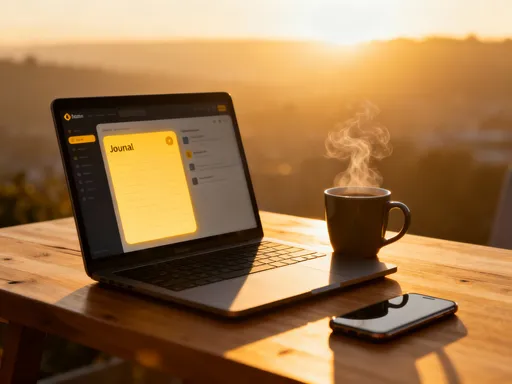
If this sounds hard, I get it. I thought it would be impossible too. But here’s how I made it work: I started small. Instead of trying to go hours without checking my phone, I just waited until I finished my coffee. Then I extended it to after breakfast. I also moved my phone to the kitchen counter the night before, so I’d have to get up and walk to it. No more scrolling from bed. And I replaced the habit with something gentle—a few minutes of journaling, a stretch, or just sitting with my thoughts. Over time, that quiet morning space became something I looked forward to, not something I resisted.
You don’t have to do it perfectly. Some days, I still check my phone early. But even on those days, just knowing I *can* choose to wait makes a difference. It’s not about cutting off connection—it’s about choosing when and how to connect. And when you do that, you take back control of your attention, one morning at a time.
Turning Notifications into Allies, Not Alerts
Let’s talk about notifications—the tiny interruptions that quietly steal our focus. I used to think I needed to see everything as it happened. A message? Ping. A social update? Ding. A news alert? Buzz. My phone was always talking to me, and I felt like I had to answer. But over time, I realized most of those alerts weren’t urgent. They weren’t even important. They were just… noise. And that noise was making it harder to stay focused, to finish tasks, to be present with my family.
So I decided to take back control. I went into my phone’s settings and turned off notifications for everything except the things that truly mattered—texts from family, calendar reminders, and a couple of work apps. Everything else? Silent. No badges, no banners, no sound. At first, it felt strange—like I was missing out. But within days, I noticed a shift. My phone stopped feeling like a demanding boss and started feeling like a quiet assistant. I could check things on my terms, not theirs.
The key was being intentional. I asked myself: Does this alert help me, or just distract me? If the answer was the latter, I turned it off. I also started using “Do Not Disturb” mode during meals, in the evenings, and while working on important tasks. I set it to allow calls from my kids and partner, so I wouldn’t miss anything urgent. And I scheduled it to turn on automatically—no effort required. These small changes didn’t just reduce interruptions; they gave me back a sense of calm. I wasn’t constantly reacting. I was choosing when to engage.
Here’s a simple exercise: spend one day just watching your notifications. Notice how many are truly important versus how many are just noise. Then, pick three apps to silence. See how it feels. You might be surprised by how little you miss them—and how much more focused you become.
Calendar as a Compass, Not a Chore
I used to think of my calendar as just a work tool—a place to log meetings and deadlines. But then I started using it differently. I began adding personal moments: time with my daughter, a quiet coffee with a friend, even “rest blocks” where I just did nothing. I color-coded everything—blue for work, green for family, yellow for self-care, pink for fun. Suddenly, my calendar wasn’t just a list of tasks. It became a reflection of what I truly valued.
This small shift had a big impact. When I could *see* my life laid out in colors, I started protecting my time differently. If I noticed a week with no green blocks, I’d schedule a family movie night. If there were too many blue ones, I’d move things around to make space for rest. The calendar became less about productivity and more about balance. And because I set gentle reminders—like a chime 10 minutes before a personal appointment—I was more likely to honor those moments.
One of my favorite tricks? Time blocking. Instead of leaving my day open to whatever comes up, I now plan chunks of time for specific activities—answering emails, running errands, writing, even unwinding. It’s not about being rigid. It’s about giving myself permission to focus on one thing at a time. When I’m in a “family block,” I try to keep my phone aside. When I’m in a “work block,” I silence distractions. This doesn’t mean I never go off script—life happens—but having a plan helps me stay grounded.
If you’ve never used your calendar this way, start small. Add one personal event this week—a walk, a phone call, a hobby. Color it in. Set a reminder. See how it feels to treat that time as important. Over time, your calendar can become a quiet guide, helping you live more intentionally, one day at a time.
The Power of One-Touch Tasks
How many times have you opened an email, thought, I’ll deal with this later, and then forgotten about it? Or seen a message and left it sitting there, knowing you should reply but not wanting to deal with it right now? These little tasks pile up, creating mental clutter. They live in the back of your mind, whispering, You forgot something. I used to feel overwhelmed by this invisible to-do list—until I discovered the “one-touch” rule.
The idea is simple: when you open a message, email, or notification, deal with it in one go. Reply, delete, schedule, or file it—just don’t leave it hanging. If I get an email asking me to join a meeting, I either accept or decline right away. If a friend texts to plan a get-together, I respond with a few options or say I’ll get back to them soon—with a note in my calendar to follow up. This doesn’t mean doing everything instantly. It means making a decision in the moment, so it doesn’t linger.
At first, it felt like more work. But over time, I realized it was actually saving me time and stress. My inbox stayed manageable. My mind felt clearer. I wasn’t constantly switching between tasks, trying to remember what needed attention. And I started using simple tools to help—like email filters that sorted messages automatically, or reminders that popped up when I was near a store I needed to visit. These small automations reduced friction, making it easier to keep up.
You can apply this to more than just messages. When you’re online, ask yourself: Can I do this now, or do I need to save it? If it takes less than two minutes, do it. If not, schedule it. This mindset shift—from postponing to deciding—can free up so much mental space. And when your digital world feels lighter, your real life feels brighter.
Creating Digital Spaces That Reflect Calm
Have you ever looked at your phone’s home screen and felt a little anxious? So many apps, so many colors, so many demands? I used to keep all my social media apps front and center, right on the first page. Every time I unlocked my phone, there they were—inviting me to scroll, compare, react. No wonder I felt pulled in. Then I realized: my home screen wasn’t neutral. It was influencing how I felt.
So I redesigned it. I moved the emotionally heavy apps—social media, news, shopping—into a folder on the second page. On the first screen, I kept only the tools I truly needed: phone, messages, calendar, notes, and a few calming apps like a meditation guide and a journal. I also turned on grayscale mode during the evenings—a simple setting that makes the screen look black and white. Without bright colors, my phone lost some of its allure. It felt less like entertainment and more like a tool.
I also cleaned up my app icons. I deleted the ones I didn’t use. I grouped similar tools together—like putting all my health apps in one folder, or keeping my family photos easily accessible. I even changed my wallpaper to a soft image of a quiet forest. These visual changes might seem small, but they made a big difference. Now, when I pick up my phone, it doesn’t feel overwhelming. It feels intentional. It reflects the calm I want to feel, not the chaos I want to escape.
Try this: spend 10 minutes redesigning your home screen. Ask yourself: Does this app belong here? Does this layout support my peace? Make it work for you, not against you. Your phone should feel like a space you control, not one that controls you.
Reclaiming Focus for What Matters Most
All of these changes—waiting to check my phone, silencing notifications, using my calendar with care, handling tasks in one touch, redesigning my screen—didn’t transform my life overnight. But over time, they added up. I started noticing small moments of presence I used to miss: my daughter’s laugh during breakfast, the way the light changed in the afternoon, the quiet joy of finishing a book without interruption. My phone didn’t disappear. But it stopped running my days.
What I’ve learned is this: technology doesn’t have to pull us away from life. It can actually help us live more deeply—if we use it with purpose. It’s not about rejecting our devices. It’s about reshaping our relationship with them. When we stop seeing our phones as sources of guilt and start seeing them as tools we can shape, we regain something precious: our attention. And attention is how we show up for our lives.
So I invite you to try one small change. Just one. Maybe it’s leaving your phone in another room in the morning. Or turning off three notifications. Or adding a personal moment to your calendar. See how it feels. You don’t have to do everything at once. Progress, not perfection. Over time, these small choices can lead to calmer days, clearer focus, and a deeper connection to what truly matters. Your phone doesn’t have to be the enemy. It can be your ally. And when you use it with intention, it might just help you become the most centered, present version of yourself.