After Tracking 30 Charging Habits: This Smart Routine Cut My Bills and Changed My Days
You know that quiet frustration when your phone dies at 30%, or your laptop never quite makes it through the afternoon? I felt it too—until I started paying attention. Not just to devices, but to how I used them. What if the way you charge could quietly reshape your day, save money, and even reduce stress? I began tracking my habits, and one simple shift made everything click. It wasn’t about buying new gadgets—it was about teaching the ones I already had to work with my life, not against it. That small realization sparked a journey that changed how I move through my home, manage my time, and even show up for my family.
The Moment I Noticed My Charging Was Working Against Me
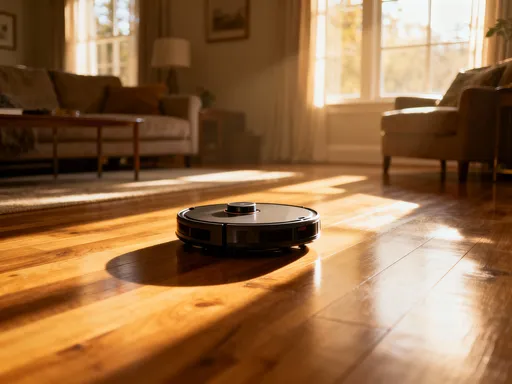
It happened on a rainy Tuesday, the kind where the sky stays low and the light fades too early. I was halfway through a work session, trying to finish a project before my daughter’s school event, when my laptop screen flickered and died—no warning, no low-battery alert, just black. I reached for my phone to check the time, only to see that familiar red icon: 18%. I’d forgotten to charge it overnight, again. And of course, the only outlet in the living room was blocked by the vacuum I hadn’t put away. That moment wasn’t just inconvenient—it felt like everything was working against me. My devices, which were supposed to make life easier, were actually making it harder.
I sat there, damp from the rain, frustrated and a little embarrassed. Was I really letting a dead battery ruin my evening? But then I asked myself: how often does this happen? And more importantly, why? I realized I didn’t have a real charging routine. I charged things when I remembered, or when panic set in. My habits were reactive—like plugging in my phone the second it hit 50%, or leaving the laptop on the charger all night “just in case.” I wasn’t using technology; I was being used by it. That rainy afternoon became my wake-up call. I decided to track every charge, every device, every pattern for 30 days. No apps, no complicated tools—just a notebook and honest observation. What started as a personal experiment slowly turned into something much bigger: a way to take back control.
From Data to Discovery: What My Charging Habits Really Looked Like
For the first week, I simply wrote down when I charged each device, how long it stayed plugged in, and what I was doing at the time. I didn’t judge myself—just recorded. By day ten, patterns started to emerge. My phone was being charged three times a day, often for short bursts. I’d plug it in while making coffee, then unplug it after five minutes because I had to answer the door. The laptop stayed on the charger from dinner until morning, even though I only used it for two hours in the evening. My tablet? Plugged in every night, even though I only used it on weekends.
What surprised me most wasn’t the wasted energy—it was the emotional triggers behind the habits. I realized I charged my phone more when I felt anxious or disconnected. If I missed a call from my sister, I’d immediately plug it in, as if charging the device could somehow reconnect us faster. I’d leave the laptop charging overnight not because it needed it, but because I worried about running out of power during work. My charging behavior wasn’t about logic; it was about comfort, fear, and routine. And every time I overcharged a device, I was paying a small price—both on my electric bill and in peace of mind.
By the third week, I had a clear picture: I was wasting energy, money, and mental space on habits that no longer served me. But instead of feeling guilty, I felt empowered. Because now I could see the problem, I could fix it. And that’s when I discovered the real solution wasn’t more discipline—it was smarter technology that could adapt to my life, not the other way around.
The Smart Shift: Letting Technology Learn Me, Not the Other Way Around
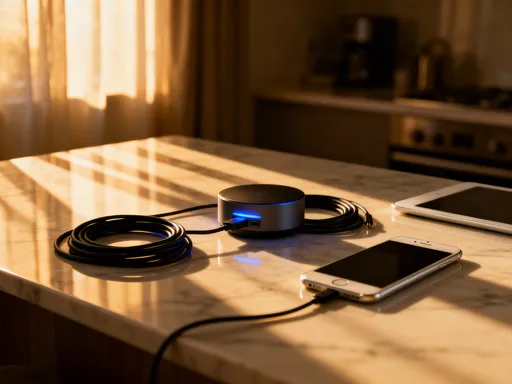
I’d heard about smart charging hubs—those little boxes that manage power for multiple devices—but I’d always thought they were for tech geeks or people with too much time on their hands. Then I read about one with a “learning mode” that adjusts based on your routine. No complicated setup, no apps with flashing graphs. Just plug it in, use your devices normally, and let it observe. That sounded manageable. So I bought one and replaced my old power strip.
At first, nothing felt different. But within a few days, I started noticing small changes. My phone stopped charging past 80% overnight. The hub seemed to know I didn’t need it at 100% first thing in the morning. My laptop would charge quickly in the evening but slow down after 9 p.m., even though I left it plugged in. I realized the system was learning my rhythm—when I got home, when I worked, when I relaxed. It wasn’t following a strict schedule; it was adapting to me.
That shift changed everything. Instead of me trying to remember to unplug things or charge them at “optimal times,” the technology did the thinking for me. It felt less like a gadget and more like a quiet partner in my home. I didn’t have to change who I was; I just had to let the system understand me. And the more I used it, the smarter it got. It learned that I used my tablet only on Sunday mornings for recipes and family videos. So by Saturday night, it made sure it was fully charged—but not a minute longer. It noticed I always needed my phone fastest between 7:30 and 8:15 a.m., so it prioritized that charge in the morning. This wasn’t automation. This was collaboration.
Personalization That Actually Feels Personal
What I love most about this system isn’t that it saves energy—it’s that it feels like it *knows* me. It doesn’t treat me like a data point or a user profile. It treats me like a person with habits, preferences, and a messy, beautiful life. For example, I have a habit of leaving my phone on the kitchen counter while I make dinner. Before, I’d forget to charge it, then panic later. Now, the hub notices that gap in usage and schedules a quick top-up during that window. It’s like it’s saying, “I’ve got you.”
Another moment that stood out was during a busy week when I had back-to-back calls with my mom and my sister. Normally, I’d stress about my phone dying in the middle of a conversation. But that week, it stayed strong. I checked the hub’s log later and saw it had detected my increased call time and adjusted the charging pattern to keep the battery stable. It didn’t just react—it anticipated. That kind of support isn’t just convenient; it’s deeply comforting. It’s the difference between feeling like you’re managing your devices and feeling like your devices are supporting you.
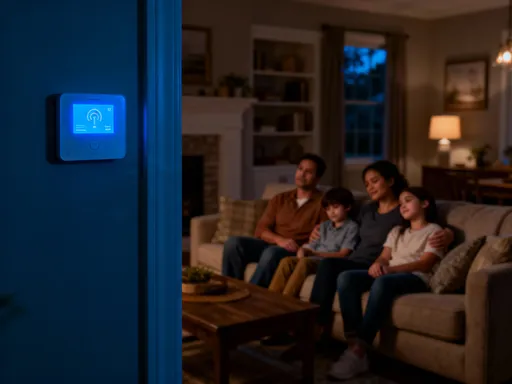
And the best part? It works for everyone in the house. My daughter uses her tablet for schoolwork in the afternoons, then switches to drawing apps in the evening. The hub learned her pattern too and now charges her device in two short bursts—once after school and once before dinner—so it’s always ready when she needs it. No more arguments about “you left it unplugged again.” Just smooth, seamless support that fits how we actually live.
How My Electricity Bill—and My Stress—Started Dropping
After four weeks, I got my electric bill. I almost didn’t believe the number. It was 17% lower than the month before. I double-checked with my provider, and yes, the usage data confirmed it—my household was consuming less power, especially during peak hours. The biggest savings came from reducing “vampire drain,” those little bursts of energy devices use when they’re fully charged but still plugged in. My old routine had multiple devices sitting on chargers for hours longer than needed. Now, the smart hub cuts power the moment charging is complete.
But the financial savings were only part of the story. The real change was how I felt. I stopped dreading the low-battery warning. I stopped carrying chargers in my bag “just in case.” I stopped waking up to check if my phone had charged all night. That constant hum of anxiety—the one I didn’t even realize was there—started to fade. I felt lighter, more in control. And that peace of mind? It’s priceless.
I also noticed I was more present with my family. Without the distraction of hunting for outlets or worrying about dead batteries, I could focus on the moment. Dinner conversations felt longer. Evenings felt calmer. I wasn’t multitasking with a charging cord in one hand and a wine glass in the other. I was just *there*. Technology was supposed to connect us, not pull us away. For the first time in years, it finally felt like it was doing its job.
Making It Work for Any Household: Small Tweaks, Big Ripples
I shared what I’d learned with my sister, who has two young kids and a schedule that feels like a tornado. She was skeptical at first. “I don’t have time to track charging habits,” she said. I told her she didn’t need to. I helped her set up a smart hub in her living room, where the kids’ tablets, her phone, and her husband’s watch all charge overnight. We picked one device to start with—her phone—and just let the system learn.
Within a week, she noticed her phone was lasting longer through the day. By the second week, her electric bill dropped. But the biggest win? She stopped yelling at the kids for leaving devices unplugged. The hub takes care of it. Now, it charges the tablets only during nap time and after homework, so they’re ready when needed but not overcharged. Her husband’s watch gets a quick top-up in the morning while he’s getting dressed. Everything just… works.
Her experience reminded me that you don’t need a perfect routine to benefit from smart technology. You just need to start. Pick one device. Observe how you use it. Let the system learn. You don’t have to be tech-savvy or organized. You just have to be willing to try. And once you see how much easier life can be, you’ll wonder why you waited so long.
Charging Smarter as a Habit, Not a Chore
Today, this isn’t a project anymore. It’s just how we live. The smart hub runs quietly in the background, learning and adjusting without me having to think about it. What began as a fix for dead batteries became a lesson in living with intention. I’ve learned that the best technology doesn’t demand our attention—it gives it back. It doesn’t complicate our lives; it simplifies them. And when our tools understand us, they don’t just power our devices—they support our well-being.
I used to think being good with technology meant knowing the latest features or buying the newest model. Now I know it means choosing tools that respect my time, my energy, and my peace. It means letting technology serve me, not the other way around. And it means finding small, meaningful ways to make life a little easier—so I can focus on what really matters: my family, my passions, and the quiet joy of a fully charged day.
If you’ve ever felt frustrated by dead batteries or high bills, I want you to know there’s another way. It’s not about doing more. It’s about working with tools that do the thinking for you. It’s about creating a home that supports you, not stresses you. And it’s about realizing that sometimes, the smallest changes—like how you charge your phone—can lead to the biggest shifts in how you feel. You deserve a life that runs smoothly. Let your devices help you get there.