What If Aging Wasn’t About Years—But Choices?
Ever wondered why some people in their 50s feel sharper and more energetic than they did at 30? It’s not luck—it’s awareness. Aging isn’t just time ticking by; it’s shaped by daily habits, from what we eat to how we sleep. This article breaks down the real power behind slowing aging, not with magic pills, but through simple, science-backed shifts anyone can start today. Your future self will thank you.
The Myth of Aging: Why Time Isn’t the Real Enemy
For decades, society has treated aging as an unavoidable decline—a linear path from vitality to fragility dictated solely by the calendar. But modern science reveals a more empowering truth: chronological age, the number of years you’ve lived, is only part of the story. Biological age, which reflects how well your cells, organs, and systems are functioning, can differ significantly from chronological age. Some 60-year-olds have the energy, clarity, and resilience of people decades younger, while others experience age-related decline much earlier. This divergence isn’t random—it’s largely driven by lifestyle.
At the cellular level, aging involves complex processes such as oxidative stress and telomere shortening. Oxidative stress occurs when free radicals—unstable molecules produced naturally during metabolism—accumulate and damage cells, proteins, and DNA. While the body has natural defenses, like antioxidants, poor habits can tip the balance, accelerating cellular wear. Telomeres, the protective caps at the ends of chromosomes, naturally shorten each time a cell divides. When they become too short, cells can no longer replicate, leading to aging and disease. However, research shows that lifestyle factors like diet, stress management, and physical activity can slow this shortening, effectively preserving cellular youth.
Genetics do play a role, but they are not destiny. Studies estimate that only about 20–30% of how we age is determined by our genes. The remaining 70–80% is influenced by environment and behavior. This means that the choices made every day—what to eat, how to move, how to rest—have a profound impact on how the body ages. By reframing aging as a dynamic process shaped by daily decisions, individuals gain agency. Instead of waiting for decline, they can actively support longevity through consistent, manageable habits.
Hidden Triggers Accelerating Aging (And You’re Probably Ignoring Them)
Beneath the surface of daily life, subtle but powerful forces are at work, quietly speeding up the aging process. These hidden triggers often go unnoticed because they don’t cause immediate harm. Instead, their effects accumulate over time, leading to premature aging at the cellular level. Among the most common are chronic stress, poor sleep quality, and excessive sugar consumption—three factors deeply embedded in modern lifestyles, especially for women managing family, work, and personal responsibilities.
Chronic stress is one of the most damaging accelerants of aging. When the body is under constant pressure, it produces elevated levels of cortisol, the primary stress hormone. While cortisol is essential in short bursts for survival, prolonged exposure disrupts multiple systems. It increases inflammation, suppresses immune function, and contributes to fat accumulation, particularly around the abdomen. Over time, high cortisol levels have been linked to shorter telomeres, meaning cells age faster. The emotional toll of stress—feeling overwhelmed, irritable, or exhausted—is mirrored in physical aging, from dull skin to weakened resilience.
Poor sleep is another silent contributor. Many women sacrifice rest to meet daily demands, not realizing that sleep is when the body performs its most critical repair work. During deep sleep, the brain clears out metabolic waste, including proteins linked to neurodegenerative diseases. Growth hormone is released, aiding tissue repair and muscle recovery. Disrupting this cycle—by staying up late, using screens before bed, or experiencing fragmented sleep—interferes with these processes. Even mild, consistent sleep deprivation can lead to insulin resistance, weight gain, and accelerated skin aging, making fatigue a visible and invisible sign of biological wear.
Dietary habits, particularly hidden sugar intake, also play a major role. Sugar is not just in desserts; it’s in processed foods, sauces, and even seemingly healthy snacks. When consumed in excess, sugar binds to proteins in a process called glycation, forming advanced glycation end products (AGEs). These compounds damage collagen and elastin, the proteins that keep skin firm and supple, leading to wrinkles and sagging. But the impact goes beyond appearance—AGEs also contribute to inflammation and oxidative stress, increasing the risk of chronic conditions like heart disease and diabetes. Recognizing these everyday habits as biological accelerants allows for informed choices that support long-term vitality.
The Power of Small Shifts: How Tiny Changes Create Big Results
One of the most encouraging truths about aging is that meaningful change doesn’t require drastic overhauls. Lasting transformation comes not from extreme diets or punishing workouts, but from small, sustainable shifts repeated consistently over time. The human body responds to patterns, not perfection. By making minor adjustments to daily routines, individuals can create a compounding effect that supports cellular health, energy levels, and overall well-being.
Hydration is one of the simplest yet most impactful changes. Water is essential for every bodily function, from digestion to circulation to temperature regulation. Even mild dehydration can lead to fatigue, headaches, and reduced cognitive performance. As we age, the body’s ability to detect thirst diminishes, making it easier to go hours without drinking enough. Increasing water intake—starting the day with a glass, carrying a reusable bottle, or infusing water with lemon or cucumber—supports skin elasticity, joint lubrication, and detoxification. Over time, consistent hydration helps maintain a youthful appearance and steady energy.
Physical movement, even in small doses, sends powerful signals to the body. A daily 20-minute walk, for example, improves circulation, enhances mood through endorphin release, and supports cardiovascular health. Movement doesn’t have to be intense; gentle stretching, gardening, or taking the stairs instead of the elevator all contribute. These activities stimulate mitochondria, the energy-producing structures within cells, helping them function more efficiently. Over months and years, this regular activity reduces inflammation, maintains muscle mass, and supports metabolic health.
Another effective shift is reducing screen time before bed. The blue light emitted by phones, tablets, and computers suppresses melatonin, the hormone that regulates sleep. By setting a digital curfew—turning off devices at least an hour before bedtime—individuals can improve sleep onset and quality. Pairing this with a calming routine, such as reading or light stretching, reinforces the body’s natural circadian rhythm. These small habits, when practiced regularly, create a foundation for restful sleep, which in turn supports cellular repair and cognitive clarity.
Nutrition That Fuels Youth: Eating for Longevity, Not Just Taste
Food is more than fuel—it’s information. Every bite sends signals to cells, influencing how they behave, repair, and age. A diet rich in whole, nutrient-dense foods provides the building blocks for cellular health, while processed, high-sugar meals contribute to inflammation and oxidative damage. The goal is not perfection or restriction, but a sustainable approach that prioritizes longevity-supporting nutrients.
Antioxidants are among the most important allies in the fight against aging. Found abundantly in colorful fruits and vegetables, these compounds neutralize free radicals, reducing oxidative stress. Berries, particularly blueberries and strawberries, are packed with anthocyanins, which support brain health and cardiovascular function. Leafy greens like spinach and kale offer vitamins A, C, and K, along with folate and fiber, all of which contribute to cellular protection and digestion. Nuts, especially walnuts and almonds, provide healthy fats and vitamin E, which nourish the skin and support cognitive function.
Fats matter more than many realize. While trans fats and highly processed oils promote inflammation, monounsaturated and omega-3 fats have protective effects. Olive oil, a staple of the Mediterranean diet, contains oleic acid and polyphenols that support heart health and reduce inflammation. Fatty fish like salmon and sardines are rich in omega-3 fatty acids, which help maintain cell membrane integrity and reduce systemic inflammation. Including these fats in meals—drizzling olive oil on salads, adding avocado to breakfast, or enjoying grilled fish twice a week—can have long-term benefits.
Practical strategies make healthy eating achievable. Meal prepping on weekends saves time and reduces reliance on convenience foods. Simple swaps, like choosing whole grains over refined carbohydrates or using herbs and spices instead of salt, enhance flavor without compromising health. Snacking on raw vegetables with hummus, or enjoying a small handful of nuts, provides sustained energy without blood sugar spikes. The focus is not on counting calories, but on building a plate that supports vitality—one that is colorful, balanced, and satisfying.
Movement as Medicine: Why Your Cells Crave Activity
Physical activity is one of the most potent tools for healthy aging, yet it is often misunderstood. Many associate exercise with weight loss or intense gym sessions, but its true value lies in how it influences cellular function. Movement signals the body to repair, renew, and strengthen at the most fundamental level. Even moderate, consistent activity can have profound effects on energy, mood, and longevity.
Mitochondria, often called the powerhouses of the cell, thrive on movement. These tiny structures produce the energy that powers every bodily process. As we age, mitochondrial function naturally declines, leading to fatigue and reduced resilience. However, regular physical activity stimulates mitochondrial biogenesis—the creation of new mitochondria—and improves their efficiency. This means cells have more energy to perform their functions, from repairing DNA to fighting off infections.
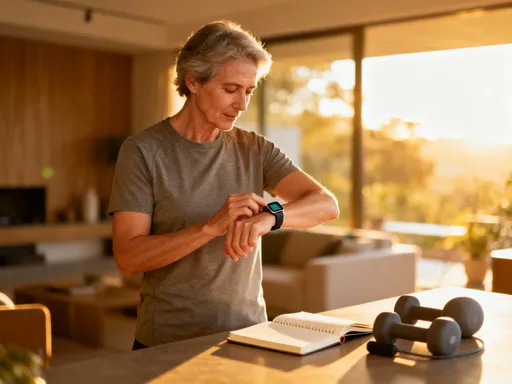
Inflammation is another key factor in aging, and movement helps regulate it. Chronic, low-grade inflammation is linked to nearly every age-related disease, from arthritis to heart disease. Exercise, even at low to moderate intensity, reduces inflammatory markers in the body. Activities like brisk walking, swimming, or cycling increase circulation, allowing immune cells to move more freely and respond more effectively. Strength training, even with light weights or resistance bands, builds muscle mass, which plays a crucial role in metabolic health and insulin sensitivity.
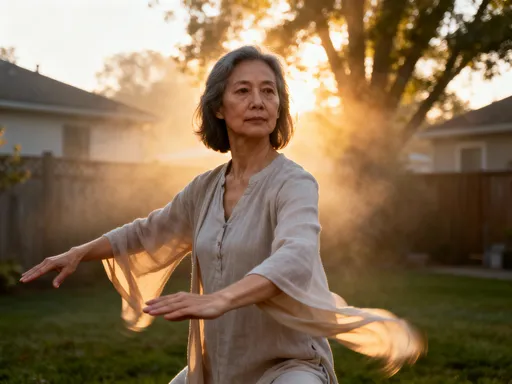
The best approach is one that feels enjoyable and sustainable. Joy-based movement—choosing activities that bring pleasure rather than punishment—increases the likelihood of consistency. Dancing at home, taking nature walks, practicing yoga, or doing short home workouts can all be effective. The key is regularity, not intensity. Ten minutes of movement a day is better than an hour once a week. Over time, these efforts add up, preserving mobility, balance, and independence well into later years.
Sleep: The Ultimate Reset Button for Aging Cells
If there were a single, most powerful anti-aging intervention, it would be sleep. During deep, uninterrupted rest, the body undertakes essential maintenance tasks that cannot be replicated while awake. The brain clears out metabolic waste, including beta-amyloid, a protein linked to Alzheimer’s disease. Cells repair DNA damage, muscles recover, and hormones rebalance. Sleep is not passive—it is an active, dynamic process critical to long-term health.
Yet, sleep is often the first sacrifice in a busy life. Women, in particular, may prioritize family, work, or household duties over rest, not realizing the biological cost. Chronic sleep deprivation accelerates aging in multiple ways. It impairs glucose metabolism, increasing the risk of insulin resistance and type 2 diabetes. It disrupts appetite-regulating hormones, leading to increased hunger and weight gain. It weakens immune function, making the body more vulnerable to illness. Even mood and cognitive performance suffer, with reduced focus, memory, and emotional regulation.
Improving sleep hygiene doesn’t require drastic changes. Setting a consistent bedtime and wake-up time, even on weekends, helps regulate the body’s internal clock. Creating a calming pre-sleep routine—such as dimming lights, reading a book, or practicing gentle breathing exercises—signals the body that it’s time to wind down. Limiting exposure to blue light from screens at least an hour before bed supports melatonin production. Keeping the bedroom cool, dark, and quiet enhances sleep quality. For those who struggle with racing thoughts, journaling or gratitude practices can help quiet the mind.
The benefits of quality sleep are both immediate and long-term. Waking up refreshed improves daily energy and productivity. Over time, consistent rest supports cognitive longevity, emotional stability, and physical health. By treating sleep as a non-negotiable pillar of well-being, individuals invest in their future selves in one of the most profound ways possible.
Mindset Matters: How Thoughts Shape Physical Aging
The mind and body are deeply interconnected, and emotional well-being plays a crucial role in how we age. Chronic stress, negative thinking, and emotional suppression leave measurable biological imprints. Elevated cortisol levels, increased inflammation, and shortened telomeres have all been linked to prolonged psychological distress. Conversely, positive emotions, resilience, and emotional awareness are associated with slower biological aging and greater longevity.
Practices that cultivate mental and emotional health—such as mindfulness, gratitude, and social connection—serve as protective factors. Mindfulness, the practice of paying attention to the present moment without judgment, has been shown to reduce stress and improve emotional regulation. Just a few minutes of daily meditation or focused breathing can lower cortisol levels and enhance clarity. Gratitude, whether expressed through journaling or verbal acknowledgment, shifts attention away from lack and toward abundance, improving mood and life satisfaction.
Laughter and joy are also powerful medicine. Genuine laughter reduces stress hormones, boosts immune function, and increases endorphins. Sharing a laugh with a friend, watching a favorite comedy, or engaging in playful activities with family not only lifts the spirit but also benefits the body. Social connection, another key element, provides emotional support and a sense of belonging, both of which are linked to longer, healthier lives.
Emotional self-awareness—the ability to recognize and respond to one’s feelings—should be seen as a core component of anti-aging. Suppressing emotions or ignoring inner signals can lead to physical tension, fatigue, and chronic stress. Making space to process feelings, whether through conversation, journaling, or creative expression, supports mental and physical health. By nurturing the mind with kindness and intention, individuals create an internal environment where cells can thrive.
Aging Forward—With Awareness and Intention
True anti-aging is not about reversing time or chasing youth at any cost. It’s about living with vitality, clarity, and purpose at every stage of life. The journey begins with awareness—that aging is not an inevitable decline, but a process shaped by daily choices. From the food on the plate to the quality of sleep, from movement to mindset, each decision contributes to the body’s biological trajectory.
Science now confirms what many have sensed intuitively: small, consistent actions create lasting change. Drinking more water, walking daily, eating more vegetables, sleeping earlier, managing stress—these are not grand gestures, but quiet commitments to well-being. Over time, they compound, building resilience, energy, and healthspan, the number of years lived in good health.
The best part is that it’s never too late to start. Whether in your 30s, 40s, 50s, or beyond, the body responds to positive input. Each choice is a vote for the kind of life you want to live. By combining knowledge with action, anyone can influence how they age—not by fighting time, but by aligning with it. The future is shaped by the present. And the best time to begin is now.