Sweat Smarter, Not Harder: My Real Talk on Staying Healthy Without Going Crazy
You know that feeling when you want to get healthier, but the idea of hitting the gym six days a week makes you want to nap instead? Yeah, me too. I used to think 'exercise' meant pain, sweat, and zero fun—until I discovered moderate movement. It’s not about crushing it; it’s about consistency, listening to your body, and checking in with how you actually feel. Turns out, small shifts in activity can lead to big wins in energy, mood, and long-term health. This isn’t a story about transformation through extreme effort. It’s about learning to care for myself in a way that fits my real life—one where health isn’t a punishment, but a practice of kindness.
The Wake-Up Call: Why I Finally Listened to My Body
For years, I brushed off my body’s signals as normal parts of being busy. Waking up tired, needing two cups of coffee just to function, feeling irritable by mid-afternoon—these weren’t red flags to me. They were just what adulthood felt like. I thought everyone dragged through the day, relying on caffeine and willpower to push through. But during a routine physical, my doctor pointed out something that stopped me in my tracks: my blood pressure was creeping into the prehypertensive range, and my resting heart rate was higher than it should be for someone my age. These weren’t crisis numbers, but they were warning signs—gentle nudges from my body saying, 'We need to talk.'
Instead of reacting with fear or jumping into an aggressive fitness plan, I paused. I asked myself: What has changed? I wasn’t eating poorly or gaining weight. But I realized I had stopped moving. My days were filled with sitting—working at a desk, driving, scrolling on the couch. The natural movement that used to come with daily life had disappeared. And my body was responding.
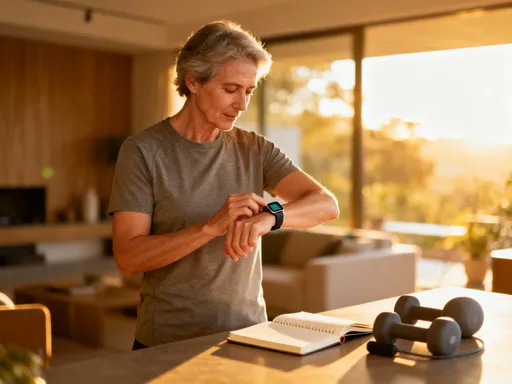
That moment wasn’t about panic; it was about awareness. I began paying attention to how I felt in small, measurable ways. Every Sunday morning, I started doing a simple self-check: How energetic did I feel on a scale of 1 to 10? Could I climb a flight of stairs without getting winded? Did I wake up refreshed or groggy? These weren’t medical tests, but they gave me real-time feedback. After a few weeks, a pattern emerged: the days I moved—even just a little—I felt sharper, calmer, more like myself. The days I didn’t, I felt sluggish and emotionally flat. My body wasn’t broken. It was asking, quietly, for movement.
What I learned is that health isn’t always about dramatic symptoms. Often, it speaks in whispers—fatigue, mood shifts, poor sleep. These are not just 'part of life.' They are messages. And when we listen early, we can respond gently, before bigger issues arise. That check-up didn’t send me to the gym for two-hour workouts. It sent me to the sidewalk for a walk. And that small shift started everything.
What Even Is Moderate Exercise? (Spoiler: It’s Not What You Think)
When I first heard the term 'moderate exercise,' I pictured someone jogging with perfect form, heart rate monitor beeping, sweat glistening. I thought it had to feel hard to count. But science tells a different story. According to the American Heart Association, moderate-intensity exercise is any activity that raises your heart rate to about 50–70% of your maximum, where you can talk comfortably but not sing. That means brisk walking, light cycling, water aerobics, or even pushing a lawn mower can qualify. It’s not about speed or intensity. It’s about sustained effort that feels doable, not draining.
I tested this by replacing my occasional, all-out 5K sprints—followed by days of soreness and guilt when I skipped—with daily 30-minute walks around my neighborhood. No playlist, no tracker, no pressure. Just me, my sneakers, and the rhythm of my steps. And something surprising happened: I started looking forward to it. I didn’t come home exhausted. I came home calmer, clearer. My energy didn’t dip—it rose. I wasn’t chasing a 'runner’s high.' I was building a habit that fit my life, not one that disrupted it.
The truth is, high-intensity workouts have their place, but they’re not sustainable for everyone, especially when starting from inactivity. Studies show that people are more likely to stick with moderate exercise over time because it feels less like a chore and more like self-care. It doesn’t leave you sore or depleted. It leaves you feeling capable. And consistency, not intensity, is what leads to lasting health benefits. You don’t need to push yourself to the edge to make progress. You just need to show up, move, and keep going.
What changed my mindset was understanding that exercise isn’t a test of willpower or punishment for eating dessert. It’s a way to support your body’s natural functions. And moderate movement does that beautifully. It improves circulation, supports joint health, and gently strengthens your heart—all without asking you to suffer. Once I let go of the idea that 'more is better,' I found I could do 'enough'—and that was more than enough.
Why Your Heart Loves a Slow Burn
Your heart is a muscle, and like any muscle, it responds to use. When you engage in regular moderate activity, your heart doesn’t have to work as hard to pump blood. Over time, this leads to measurable improvements in cardiovascular health. One of the first changes I noticed after three months of daily walking was that my resting heart rate dropped—from an average of 78 beats per minute to 68. My doctor noted it during a follow-up visit and said, 'That’s a sign your heart is becoming more efficient.' No medications, no drastic diet changes—just movement.
Moderate exercise helps lower blood pressure by improving the elasticity of blood vessels and reducing arterial stiffness. It also supports healthy cholesterol levels by increasing HDL (the 'good' cholesterol) and helping manage triglycerides. These aren’t overnight changes, but they accumulate. Research from the Centers for Disease Control and Prevention shows that just 150 minutes of moderate exercise per week can reduce the risk of heart disease by up to 30%. That’s less than 30 minutes a day, five days a week—achievable for most people, even with busy schedules.
Beyond the numbers, I noticed how my body responded in daily life. Climbing stairs no longer left me breathless. I could carry groceries without needing to stop halfway. My legs felt stronger, my balance better. These weren’t fitness milestones—they were signs of functional health, the kind that lets you live fully as you age. And because moderate exercise is low-impact, it’s gentle on joints, making it ideal for long-term practice, especially for women over 40 who may be managing joint sensitivity or early signs of osteoarthritis.
Another benefit I didn’t expect was how it helped regulate my blood sugar. I’m not diabetic, but like many women in midlife, I’ve noticed how my energy crashes after certain meals. Walking for 15–20 minutes after dinner helped stabilize my glucose levels, reducing those afternoon slumps. A study published in Diabetologia found that short walks after meals can lower post-meal blood sugar spikes more effectively than a single 45-minute walk. This isn’t about weight loss. It’s about metabolic balance—helping your body process energy more smoothly, naturally.
Mood Boost Without the Crash
One of the most powerful changes I experienced wasn’t physical—it was emotional. After about six weeks of consistent walking, I realized I wasn’t as reactive. Small frustrations that used to set me off—traffic, a delayed appointment, a messy kitchen—didn’t feel like emergencies anymore. I had more patience, more presence. I wasn’t just moving my body; I was calming my nervous system.
Exercise, even at a moderate level, triggers the release of endorphins—natural brain chemicals that promote a sense of well-being. It also reduces levels of cortisol, the stress hormone that, when chronically elevated, can contribute to anxiety, weight gain, and sleep problems. Walking became my daily reset. I didn’t need a meditation app or a quiet room. I just needed to step outside, breathe, and move. Those 20-minute evening walks became sacred—time to process the day, let go of tension, and reconnect with myself.
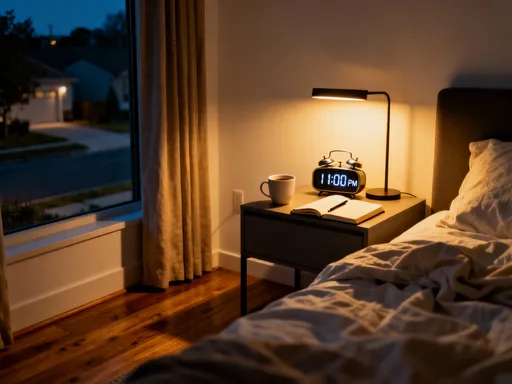
What surprised me most was how this practice improved my sleep. I’ve always struggled with falling asleep, often lying awake with a racing mind. But on days I walked, especially in the late afternoon or early evening, I fell asleep faster and stayed asleep longer. Movement helped regulate my circadian rhythm, signaling to my body when it was time to wind down. I wasn’t using exercise to burn off energy—I was using it to restore balance.
And the best part? I didn’t have to 'earn' it. I didn’t have to walk a certain distance or hit a step count. Just showing up was enough. Some days, I walked in the rain. Some days, I stopped to watch a bird or wave at a neighbor. It wasn’t about performance. It was about presence. That shift—from achievement to awareness—changed everything. I wasn’t exercising to fix myself. I was moving to feel more like myself.
How to Test What Works for You (No Lab Required)
One of the most important lessons I’ve learned is that there’s no one-size-fits-all approach to health. What works for your friend, your sister, or the influencer on Instagram might not work for you. And that’s okay. The key is learning to read your own body’s signals. Over time, I developed simple tools to check in with myself—no medical degree or expensive equipment needed.
The first is the 'talk test.' If I’m walking and can speak in full sentences without gasping, I’m in the moderate zone. If I can sing, I’m not working hard enough. If I can’t talk, I’m pushing too hard. This simple rule keeps me in the sweet spot—active but not exhausted. I also started keeping an energy journal. Every night, I jot down how I felt that day: energy level, mood, sleep quality, and how my movement practice went. After a few weeks, patterns emerged. I saw that short walks after lunch boosted my afternoon focus. I noticed that skipping movement for two days in a row made me feel sluggish and irritable.
Another insight: some days, even walking felt like too much. Maybe I was stressed, under-slept, or coming down with something. On those days, I gave myself permission to do less—stretching, gentle yoga, or just sitting outside and breathing. I learned that rest is not failure. It’s part of the process. Listening to my body didn’t mean giving up. It meant respecting it.
These self-checks aren’t replacements for medical advice, but they’re powerful tools for self-awareness. They help me make informed choices. If I’m feeling low energy for several days, I look at my sleep, hydration, and stress levels before assuming I need to 'work harder.' Often, the solution isn’t more movement—it’s more rest, better nutrition, or emotional support. Health is holistic, and movement is just one piece.
Building a Routine That Sticks—Without the Guilt
The biggest reason people quit exercise isn’t lack of time or energy—it’s guilt. I used to fall into the all-or-nothing trap. If I missed a day, I felt like I’d failed. Then I’d skip another day, and another, until the whole routine collapsed. What changed was shifting my mindset from perfection to progress. Now, I aim for consistency, not completion. If I only walk for 10 minutes one day, that’s still a win. If I sit on the porch and stretch instead of walking, that’s still movement. The goal isn’t to be perfect. It’s to stay connected.
I built my routine slowly. I started with just 10 minutes a day—after lunch, around the block. Once that felt natural, I added 5 more minutes. I paired movement with habits I already enjoyed: listening to a podcast, calling a friend, or watching the sunrise. I scheduled it like any other important appointment. On busy days, I broke it into two 10-minute walks—morning and evening. Research shows that short, frequent bouts of activity can be just as effective as longer sessions for improving health markers.
I also made sure to choose activities I actually liked. If I hated running, I didn’t force it. I tried walking, dancing in the kitchen, gardening, even vacuuming with intention. Movement doesn’t have to look a certain way. It just has to happen. And when it feels good, you’re more likely to keep doing it.
The secret to a lasting routine isn’t motivation—it’s design. When you make movement easy, enjoyable, and integrated into your life, it stops feeling like a chore. It becomes a habit, a ritual, a form of self-respect. And when you miss a day? You don’t spiral. You simply begin again.
When to Talk to a Pro (Because Real Talk Matters)
While self-awareness is powerful, it’s not a substitute for professional care. My journey started with a conversation with my doctor—and it continues with regular check-ups. If you have a chronic condition like high blood pressure, diabetes, or heart disease, or if you’re new to exercise after a long break, it’s important to talk to a healthcare provider before making changes. They can help you interpret your health markers, set safe goals, and recommend activities that support your specific needs.
My doctor didn’t tell me to run a marathon. She encouraged me to walk. She helped me understand what my numbers meant and when to celebrate progress. She also reminded me that health isn’t just about physical metrics—it’s about quality of life. How do you feel? Are you sleeping better? Do you have more energy for the people and activities you love? These questions matter just as much as lab results.
There’s no shame in asking for help. Whether it’s a doctor, a physical therapist, or a certified fitness professional, support can make your journey safer and more effective. You don’t have to figure it all out alone. And if you ever feel pain, dizziness, or unusual fatigue during movement, stop and seek guidance. Your body deserves care, not guesswork.
Small Moves, Big Difference
Moderate exercise isn’t flashy. It won’t go viral on social media. You won’t see dramatic before-and-after photos. But when done consistently, it transforms your health in quiet, profound ways. It lowers your risk of chronic disease. It stabilizes your mood. It improves your sleep. It gives you more energy for the life you’re already living.
The real power of moderate movement isn’t in how hard it feels—it’s in how sustainable it is. You don’t need special equipment, a gym membership, or hours of time. You just need the willingness to start small and keep going. You don’t have to be athletic. You just have to be present.
By tuning in, moving mindfully, and checking in with yourself, you’re not just exercising. You’re making a quiet, powerful promise to your future self—a promise that you matter, that your health matters, and that you’re worth the time it takes to care for yourself. And that promise, built step by step, walk by walk, day by day, is the foundation of a life well-lived.